36%
of India’s 355 million menstruating female population use sanitary towels for protection.
70%
of reproductive health issues are casued by poor menstrual hygiene.
1 in 10
girls below the age of 21 in India cannot afford sanitary products.
Transforming lives, one period underwear at a Time
We believe that dignified menstrual care gives women confidence and freedom to move. Community is at the heart of what we do, and we’re proud to extend our CSR efforts to you—so together, we can make a difference by donating period underwear to women in need.
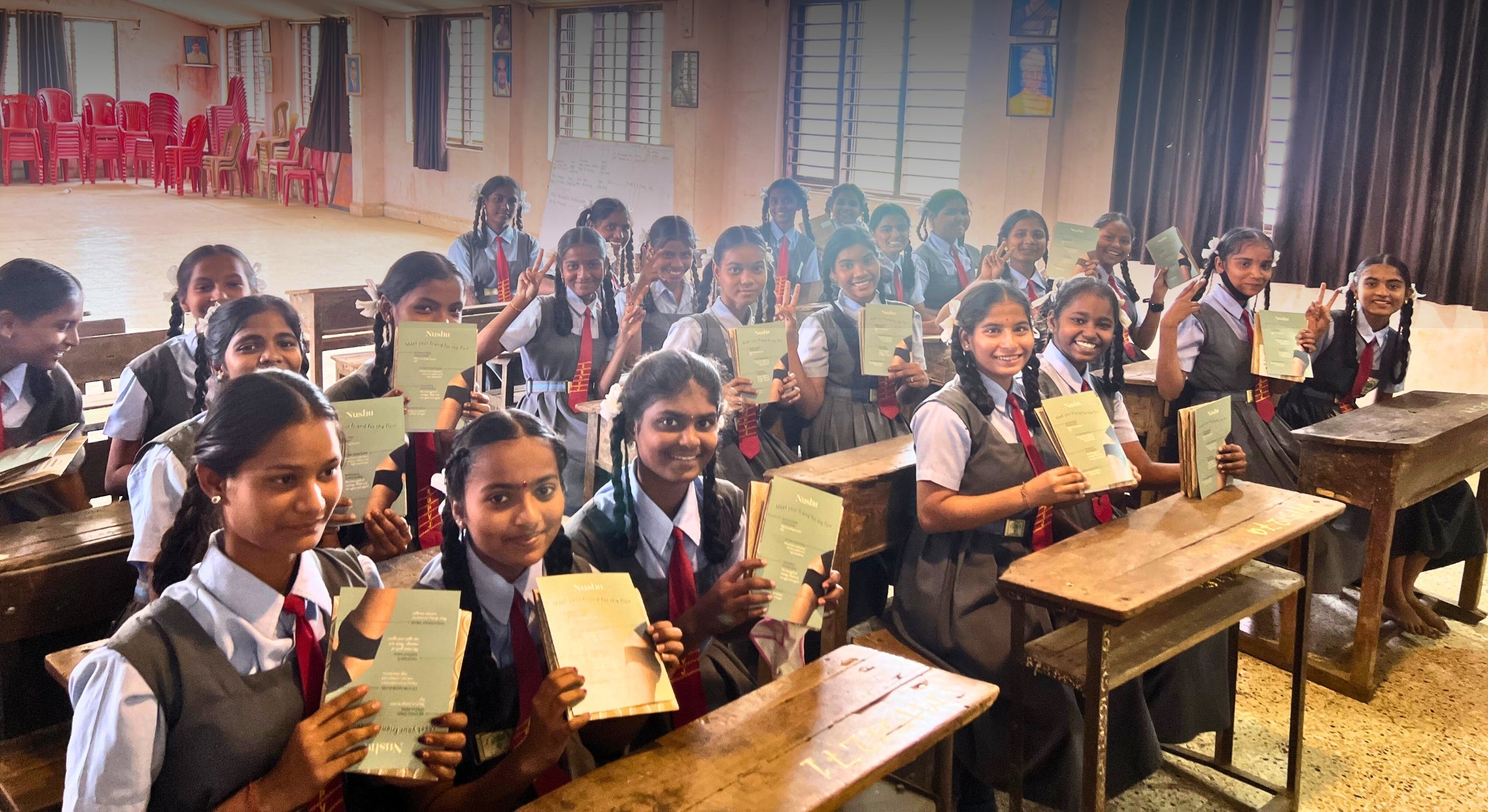
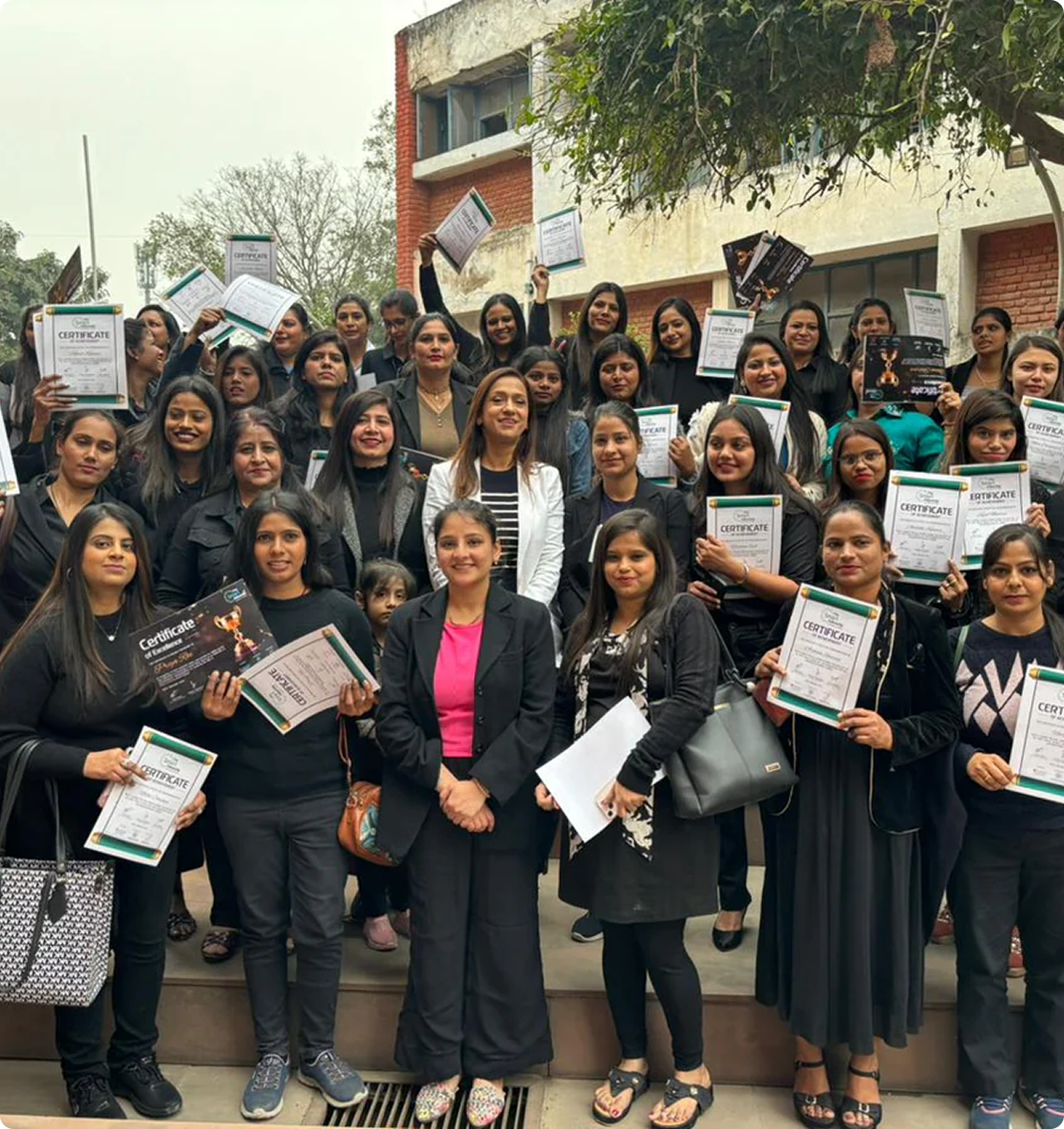
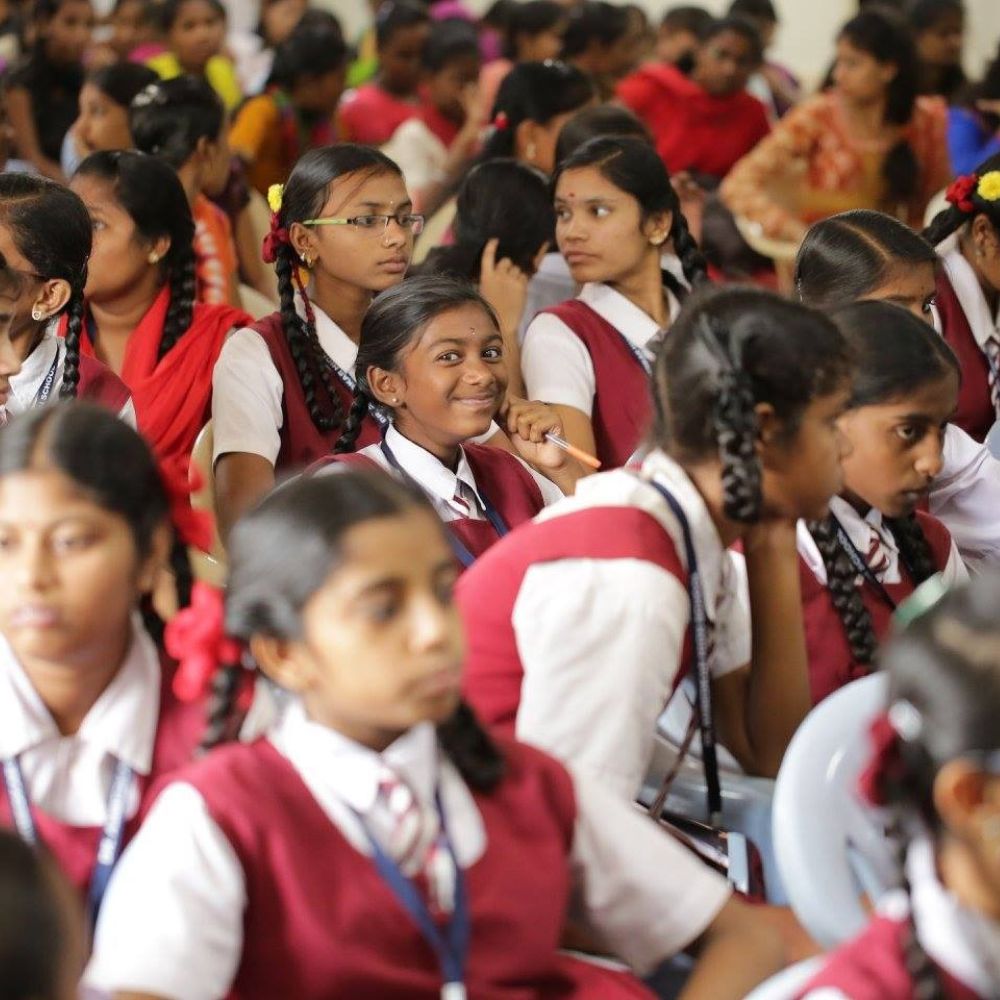
WE BELIEVE, DREAMS SHOULD NOT BE LIMITED BY CIRCUMSTANCES
Nimaya Foundation, our giving partner, is co-founded by Navya Naveli Nanda and Samyak Chakrabarty.
Nimaya is a non-profit career accelerator for women with big dreams, but restrictive circumstances. They identify women that posses the drive to overcome their limitations & offer a skills-training program to bridge the gap between their education and industry-demands.
Donate Now
Donate Now
Give a Girl the Gift of Comfort & Dignity
To combat period poverty will be a community effort. We hope you will join us in getting safe, sustainable period care to girls in need.
100% of your donation goes directly to providing period underwear for girls in need.
MISSION IN ACTION
Institutional Partnerships to Supply Period Care To Girls In Need
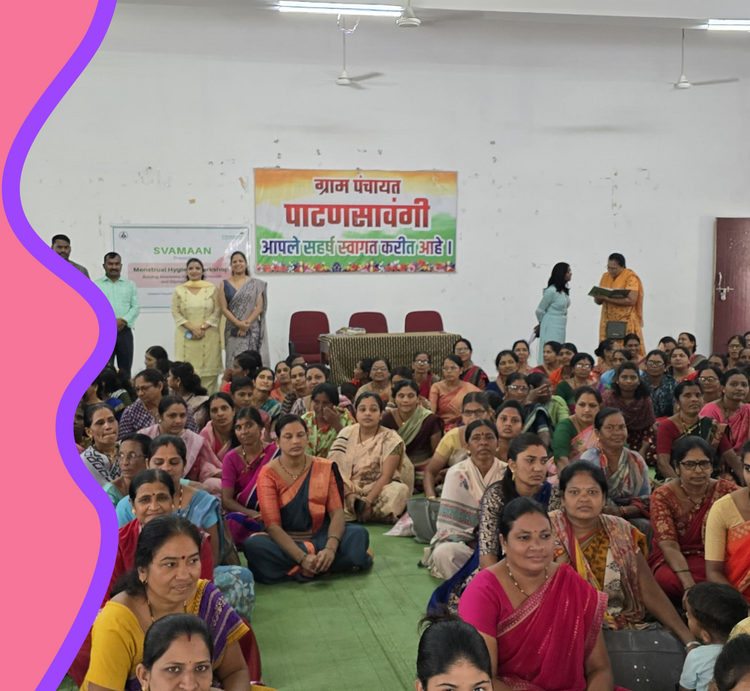
Distribution Size
300 WOMEN
Pads Saved
90,000
Each Woman Saves
RS. 2,000
Sponsor
Svamaan Foundation
Nagpur, Maharashta
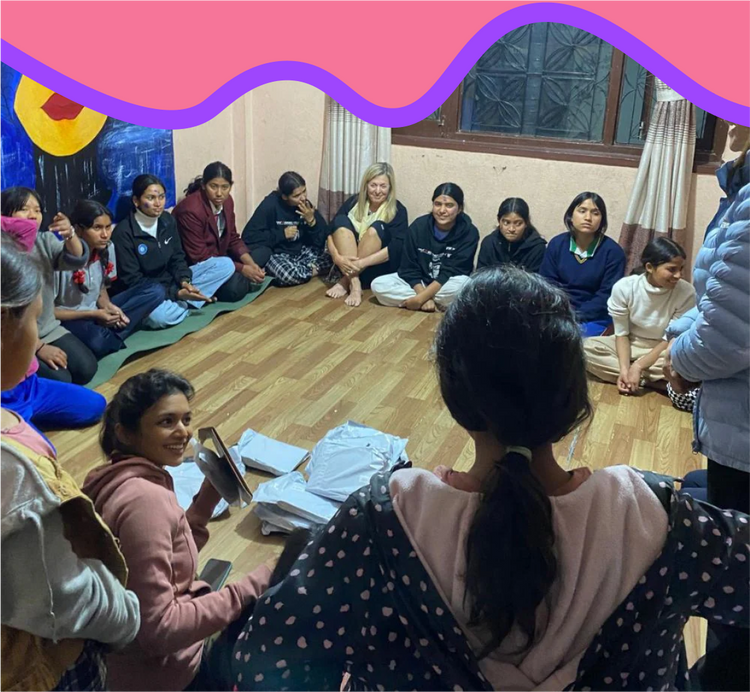
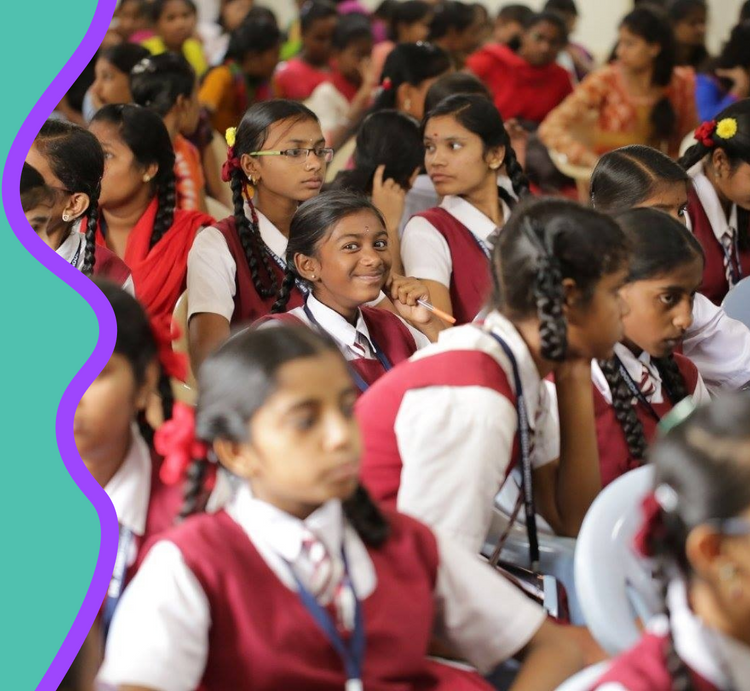
Distribution Size
90 GIRLS
Pads Saved
27,000
The College Saves
RS. 1.4L
Sponsor
Dr. B.R. Ambedkar College
Hyderabad, Telangana
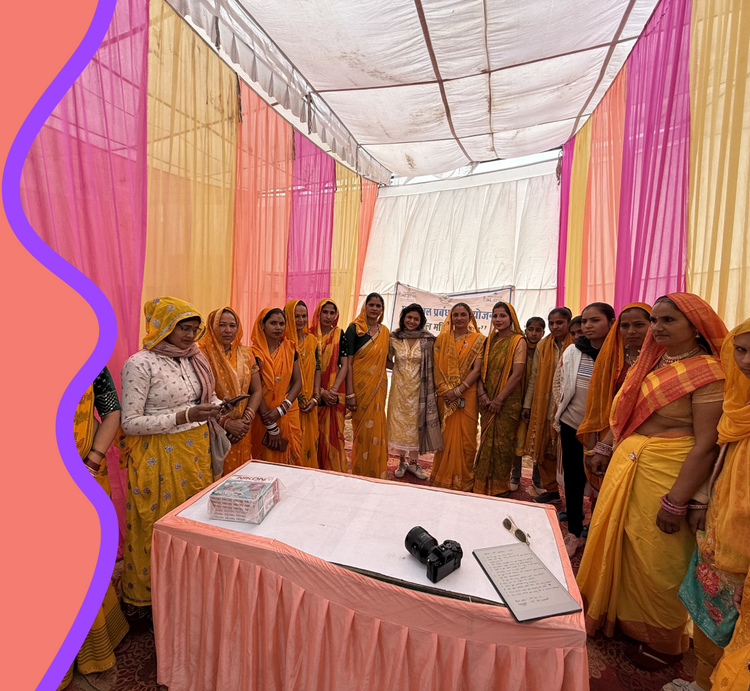
Distribution Size
30 WOMEN
Pads Saved
9,000
Each Woman Saves
RS. 2,000
Sponsor
Hinduja Foundation
Alwar, Rajasthan

Distribution Size
100 WOMEN
Pads Saved
30,000
Each Woman Saves
RS. 3,000
Sponsor
Jindal Saw
New Delhi, India

LEARN MORE ABOUT OUR PERIOD UNDERWEAR
RELATED POST

Lochia: Understanding Postpartum Bleeding & How to Stay Comfortable Through Every Stage
Bringing a baby into the world changes your body in incredible ways. Yet one of the biggest postpartum surprises for many new moms is realizing that the bleeding doesn't stop once the baby is born. If you've ever wondered: "My baby's here... so why am I still bleeding?" The answer is something called Lochia.Lochia is your body's natural way of healing after childbirth. It consists of blood, mucus, and tissue that are shed from the uterus as it returns to its pre-pregnancy state. While every woman's recovery is different, lochia typically lasts 4–6 weeks postpartum, gradually changing in color, consistency, and volume as your body heals.Think of it as your uterus' natural reset process. Why Does Lochia Happen? During pregnancy, your uterus grows significantly and develops extra blood vessels and tissue to nourish your baby and support the placenta. Once your baby is born, your body no longer needs these tissues. Lochia helps your uterus: Clear out excess blood and tissue Heal after delivery Shrink back to its pre-pregnancy size Complete the postpartum recovery process Although it can feel alarming at first, lochia is a completely normal part of recovery. Stage 1: Lochia Rubra Days 1–4 Postpartum This is the first and heaviest stage of postpartum bleeding. What It Looks Like Dark red blood Heavy flow May contain small clots May contain tissue fragments Approximate Volume Around 80 ml per day What's Happening? Immediately after delivery, the uterus begins shedding blood and tissue that supported the pregnancy. This is why the bleeding is at its heaviest during the first few days.You may notice increased bleeding after standing up, moving around, or breastfeeding. This is usually normal and occurs because breastfeeding stimulates uterine contractions that help the uterus shrink. Stage 2: Lochia Serosa Days 4–12 Postpartum As healing progresses, the bleeding begins to slow down. What It Looks Like Pinkish-brown discharge More watery consistency Less blood than before Few or no clots Approximate Volume Around 30 ml per day What's Happening? Your uterus continues repairing itself and shrinking back to its normal size.The discharge becomes lighter because there is less blood present and more healing-related cells and fluids.This stage is often a reassuring sign that postpartum recovery is progressing normally. Stage 3: Lochia Alba Day 12 to 6 Weeks Postpartum This is the final stage of lochia. What It Looks Like Yellowish-white discharge Sticky or mucus-like consistency Little to no blood No clots Approximate Volume Around 10 ml per day What's Happening? By this stage, most bleeding has stopped and the uterus is nearing the end of its recovery process.The discharge contains primarily white blood cells, mucus, and healing tissue rather than blood.Lochia Alba can continue for several weeks before gradually disappearing altogether. What's Considered Normal? While every recovery is different, the following are generally considered normal: ✓ Gradual reduction in bleeding over time ✓ Small clots during the first few days ✓ Increased flow after physical activity ✓ Bleeding that temporarily increases after breastfeeding ✓ Lochia lasting up to six weeks postpartum When Should You Seek Medical Attention? Contact your healthcare provider if you experience: 🚨 Soaking through a pad in less than one hour 🚨 Passing very large clots 🚨 Severe pelvic or abdominal pain 🚨 Fever or chills 🚨 Foul-smelling discharge 🚨 Bleeding that suddenly becomes very heavy after it had already slowed down These symptoms may indicate a complication that requires medical attention. Making Postpartum Recovery More Comfortable The weeks after childbirth are demanding enough without worrying about leaks, discomfort, or interrupted sleep. Many new moms find that traditional postpartum pads / diapers can feel bulky, trap moisture, heat and cause friction against already sensitive skin. Nushu's leak-proof period underwear offers a comfortable alternative designed to support you through every stage of lochia. Looks like regular underwear. Feels like regular underwear. Protects so much more.The breathable fabrics help minimize irritation, while the absorbent leak-proof layers provide reliable protection for day and night wear—helping you sleep more peacefully and recover more comfortably. Recommended Nushu Styles by Lochia Stage Lochia Rubra (Heavy Flow):Hip Hugger and Seamless Hip Hugger, maximum absorbency, full coverage, and dependable overnight protection during the heaviest days of postpartum bleeding.For daytime wear, Lace Hipster provides super-heavy absorbency with a secure, comfortable fit. Lochia Serosa (Moderate Flow):Bikini Brief, Lace Bikini, and Basic Hipster offer comfortable everyday protection as bleeding becomes lighter and more manageable. Lochia Alba (Light Flow):Cheeky Lace is ideal for light discharge, providing just the right amount of protection with ultra thin padding for a barely there feel. Because postpartum recovery is hard enough—your period care shouldn't make it harder.You take care of your little one. Let Nushu take care of you! Peaceful sleep. No leaks. No rashes. Just comfort while your body heals.
Learn more
Hot Flashes: What’s Really Happening Inside You?
Hot flashes can feel sudden, overwhelming, and honestly — confusing. One moment you’re fine, the next you’re flushed, sweating, and wondering what just happened? Here’s the truth: Hot flashes aren’t random.They’re a hormone–brain feedback glitch — and once you understand it, they feel a lot less scary.Let’s break it down. What Are Hot Flashes, Really? A hot flash is a sudden sensation of intense heat, often starting in the chest or neck and spreading upward to the face. It can last anywhere from 30 seconds to several minutes and may be followed by sweating, chills, or fatigue. They’re most commonly associated with: Perimenopause & menopause Hormonal fluctuations (including postpartum or certain medical treatments) But the root cause isn’t just “low estrogen.” It’s how your brain reacts to changing estrogen levels. The Real Trigger: Estrogen Drops & a Confused Brain Your body temperature is regulated by a small but powerful part of your brain called the hypothalamus — think of it as your internal thermostat. Here’s what happens: Estrogen levels fluctuate (up, down, up, down) The hypothalamus becomes extra sensitive Your comfortable temperature range (called the thermoneutral zone) narrows Even a tiny temperature change now feels like overheating So your brain panics and thinks:🚨 “We’re too hot!” Even when you’re not. Emergency Cooling Mode: Why Hot Flashes Feel So Intense Once your brain hits the panic button, your body launches a rapid cooling response: 🔥 Sudden VasodilationBlood vessels open quickly to release heat — causing redness and flushing. 💦 SweatingYour body tries to cool itself down fast. ❤️ Increased Heart RateA stress-style response kicks in. ⚡ Norepinephrine ReleaseTriggers a fight-or-flight sensation (hello anxiety spike). 🧠 Serotonin DisruptionMood changes, irritability, or emotional sensitivity can follow. The result?Hot flashes feel sudden, intense, and sometimes emotionally charged — even though nothing is actually “wrong” with you. The Good News: Hot Flashes Are Manageable While you can’t always stop hormonal fluctuations, you can reduce how often and how intensely hot flashes show up. Top Ways to Manage Hot Flashes ☕ Avoid Coffee & AlcoholBoth can stimulate your nervous system and widen blood vessels — making flashes more likely. 💧 Stay HydratedDehydration worsens temperature regulation. Sip consistently through the day. ⚖️ Gentle Weight ManagementExcess body fat can trap heat. Sustainable movement helps long-term regulation. 🧘♀️ Paced RespirationSlow, deep breathing calms the hypothalamus and nervous system.(Think: inhale 4 seconds, exhale 6 seconds.) 🏃♀️ Sweat It Out (Intentionally)Regular exercise improves thermoregulation over time — even if it feels counterintuitive. 👕 Dress SmartLayer breathable fabrics so you can adjust quickly when a flash hits. ❄️ Cooling StrategiesHandheld fans, cool packs, or even cold water on wrists can interrupt a flash mid-wave. A Gentle Reminder Hot flashes are not weakness, not “all in your head,” and not something you just have to suffer through silently.They’re your body responding to hormonal change — loudly, yes — but not dangerously.Understanding what’s happening is the first step to feeling back in control. At Nushu, we believe your body deserves comfort, dignity, and support at every hormonal stage — periods, transitions, and everything in between. No whispers. Just real education.And a lot more compassion for our bodies. 💜
Learn more
How Diabetes Impacts Your Menstrual Cycle (And Why You Shouldn’t Ignore the Signs)
Periods are often treated as a separate “women’s issue,” while conditions like diabetes are discussed in isolation. But the truth is — your blood sugar and your menstrual cycle are deeply connected. If you’ve noticed sudden changes in your periods, worsening cramps, irregular cycles, or intense PMS, diabetes (or poor blood sugar control) could be playing a bigger role than you realize. Let’s talk about how — and what your body may be trying to tell you. The Blood Sugar–Hormone Connection Insulin isn’t just responsible for managing glucose levels. It also influences how your ovaries function and how hormones like estrogen, progesterone, and testosterone stay balanced. When blood sugar levels remain high or fluctuate frequently: Insulin levels rise Hormonal balance gets disrupted Ovulation can be affected This hormonal disruption is what shows up as changes in your menstrual cycle. Common Ways Diabetes Affects Your Periods 1. Irregular or Missed Periods One of the earliest signs is cycle irregularity. You may notice: Delayed periods Missed cycles Longer or shorter cycles than usual This happens because insulin resistance can interfere with ovulation, making your cycle less predictable. 2. Heavier or Lighter Bleeding Hormonal imbalance affects how your uterine lining builds and sheds. This can result in: Heavier bleeding with clotting Or unusually light periods If your flow feels inconsistent month to month, blood sugar control could be a factor. 3. Increased Period Pain Yes — diabetes can make cramps feel worse. High blood sugar contributes to: Increased inflammation Poor blood circulation Heightened nerve sensitivity Together, these can intensify cramps, lower back pain, pelvic heaviness, and overall discomfort during your period. 4. PMS That Feels More Intense People with diabetes often report stronger PMS symptoms, including: Mood swings Anxiety or irritability Fatigue Bloating Strong sugar cravings Blood sugar dips and spikes can amplify emotional and physical PMS symptoms, making periods feel harder to manage. Can Diabetes Stop Periods Completely? In some cases, yes — especially when diabetes is poorly controlled over time. Chronic metabolic stress can disrupt signals between the brain and ovaries, leading to anovulation (when ovulation doesn’t occur). Without ovulation, periods may become infrequent or stop altogether. If you’ve missed your period for three months or more, it’s important to seek medical advice. When Diabetes and PCOS Overlap Diabetes and insulin resistance are closely linked with PCOS. Elevated insulin can increase testosterone levels, which may lead to: Irregular periods Acne Excess hair growth Difficulty ovulating If you’re experiencing a mix of these symptoms, a proper evaluation can bring clarity. What Helps Support Your Cycle Managing blood sugar doesn’t have to be extreme or overwhelming. Small, consistent habits can make a meaningful difference: Balanced meals with protein and fibre Gentle, regular movement like walking or yoga Prioritising sleep and recovery Reducing stress during your cycle And during your period, comfort matters — because your body is already doing extra work. When to Get Checked Consider speaking to a healthcare professional if you notice: Sudden changes in your cycle Periods becoming unusually painful Missed periods along with weight changes or acne Very heavy bleeding or severe fatigue Basic blood sugar tests and hormone panels can provide valuable insight. Listen to Your Body Your period isn’t random.It’s one of the clearest signals your body gives you. If this feels relatable, it may be time to get yourself checked.Your body is asking for balance — and support. You deserve answers.And you deserve period care that supports you through every phase.
Learn more